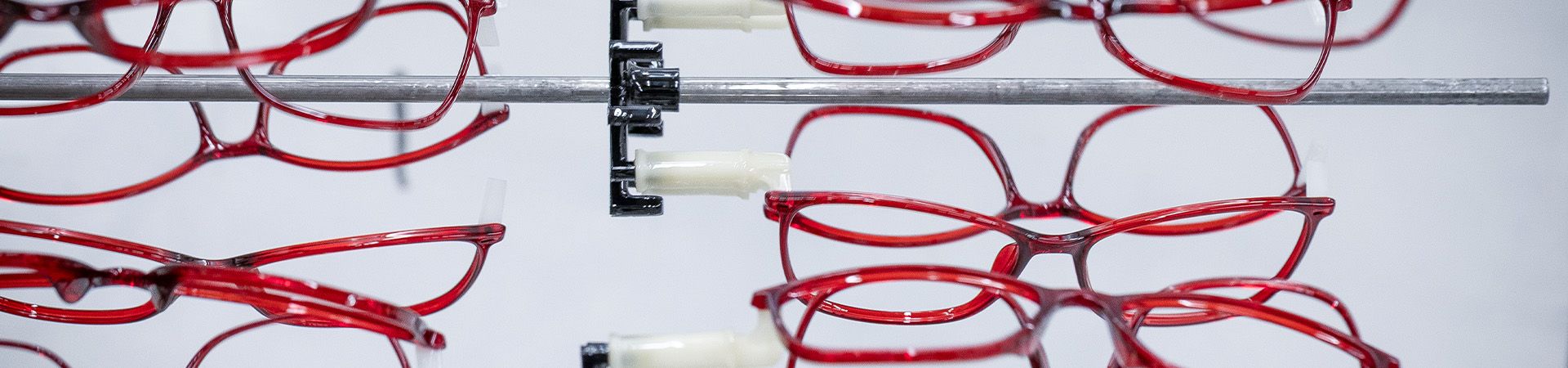
Focus on Innovation:When Modernization Leads to Progress
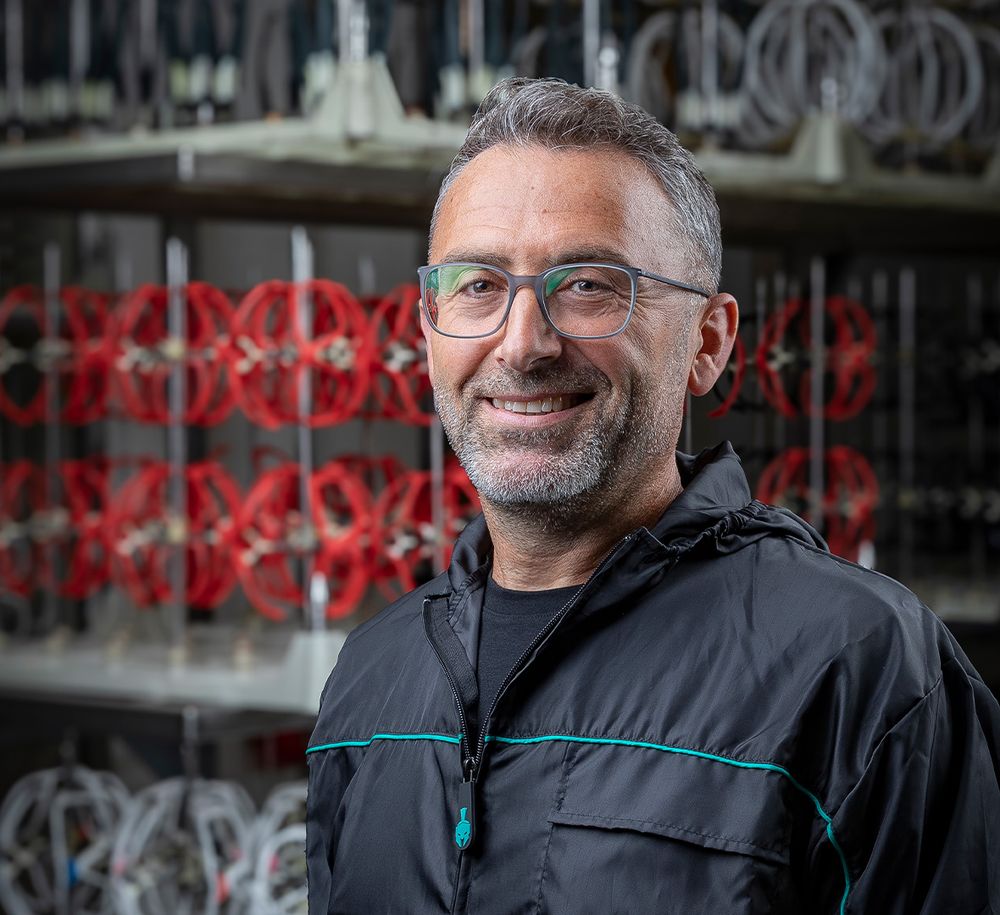
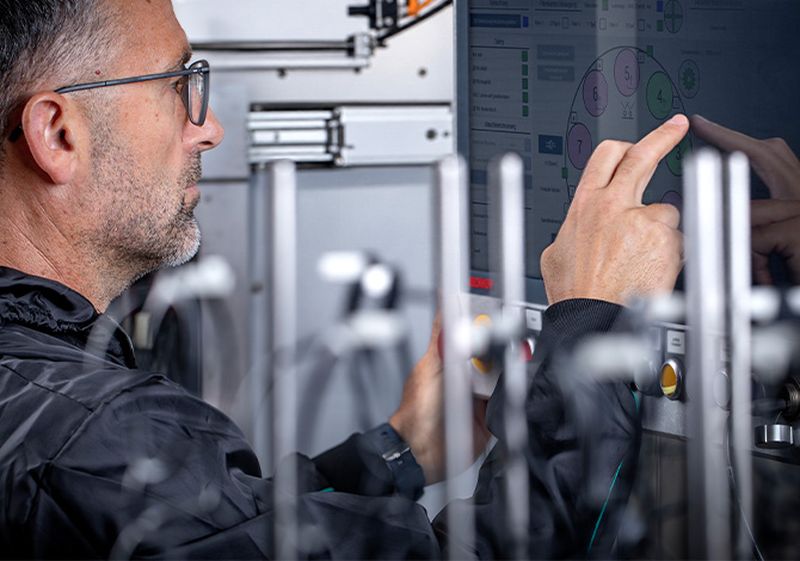
Afrim Beka is a team leader in the Painting Department and played a key role in shaping a special project: the introduction of four new painting machines, which have recently been successfully put into operation. What began as a modernization effort evolved into a comprehensive innovation project that makes production more efficient, safer, and more precise.
Afrim, you oversaw the introduction of four new painting machines. How did this project come about?
Our previous machines had been in use for between 25 and 35 years. Spare parts were hardly available anymore, and we even had to manufacture some of them ourselves. That was not only time-consuming but also cost-intensive. So it was clear to us: We need a new long-term solution.
During our search, we deliberately chose a regional partner from Upper Austria. When we need a replacement part, it reaches us in no time – that’s a big advantage. This allows us to keep downtime to a minimum. Instead of replacing our existing system with a new model, we worked with our partner to develop a custom system that is precisely tailored to our needs.
What makes the new systems so special? And what improvements have they brought?
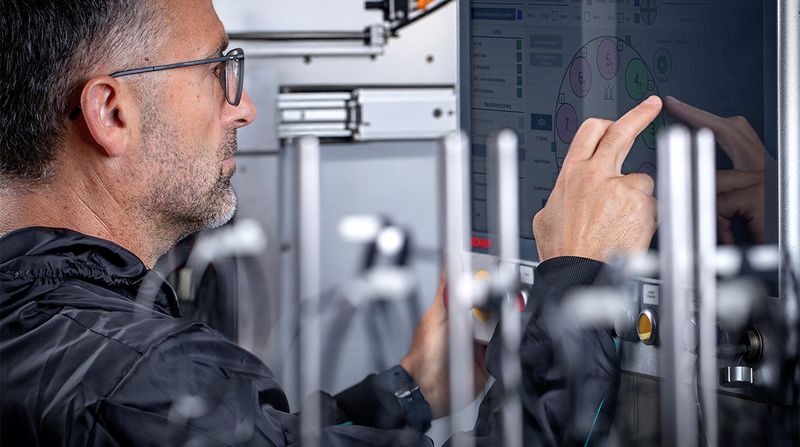
From the very beginning, it was important to us to digitize and automate as many administrative tasks as possible. In the past, we had to manually ensure that the system was loaded with the correct semi-finished parts and paints. Today, the system handles this verification for us. Each order is scanned; the required paint is stored in the system; and the system automatically verifies the details. If the wrong paint is selected, it stops the process. Mistakes are human and can always happen. Thanks to the automatic checks, our error rate has dropped significantly – which is a huge relief.
There have also been significant improvements in safety and filtration technology. Our old systems were open. The new ones are equipped with doors and barriers that better protect our employees. Thanks to the improved filtration technology, the filters also last significantly longer and need to be replaced less frequently. Overall, this has made the painting process require less maintenance and be more resource-efficient.
How challenging was it to put your ideas into practice?
We actually thought the development would be easier at first. The hardware wasn’t an issue, but the software was a challenge. We had to think through every single step down to the smallest detail. In the end, we filled three large A0 sheets of paper with elaborate flowcharts to map out all our processes. Seeing how our ideas on paper turned into working technology was truly something special. The journey there was challenging, but the result impressed even me as a technician.
For which processes do we use the new painting systems?
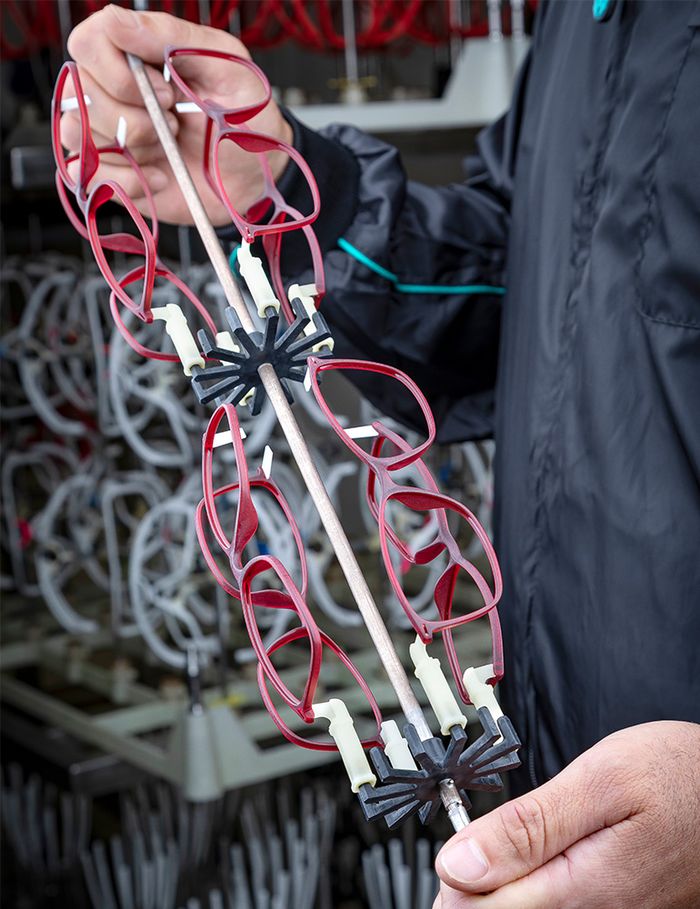
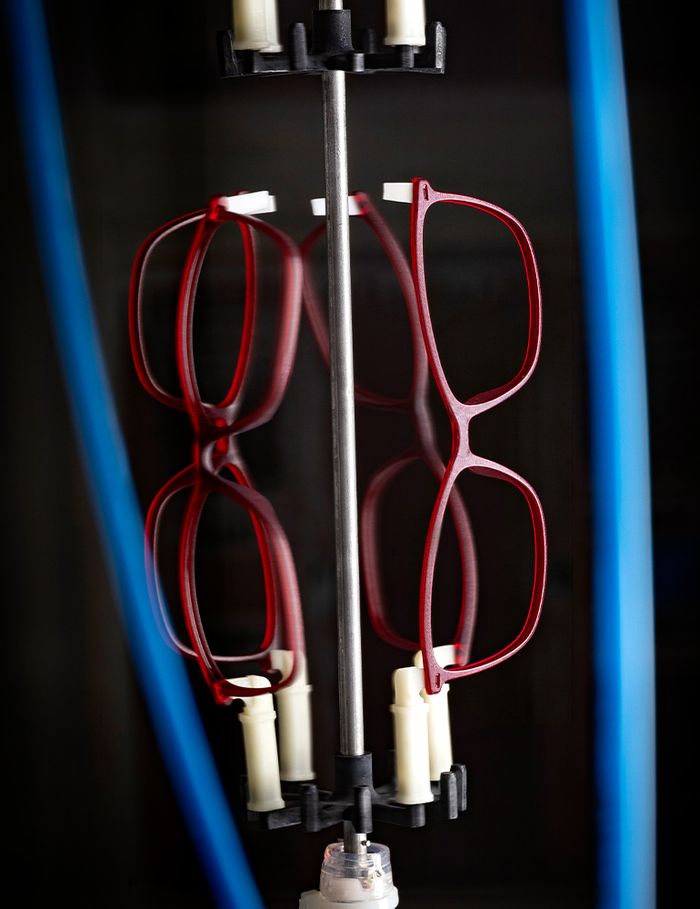
About 95 percent of all frames, whether Silhouette, evil eye, or NEUBAU, are painted here in our department. We work with colors that sometimes have more than ten different shades and with various clear coats, such as satin matte. Surface finishing is all about precision, and even after many years, it continues to fascinate me.
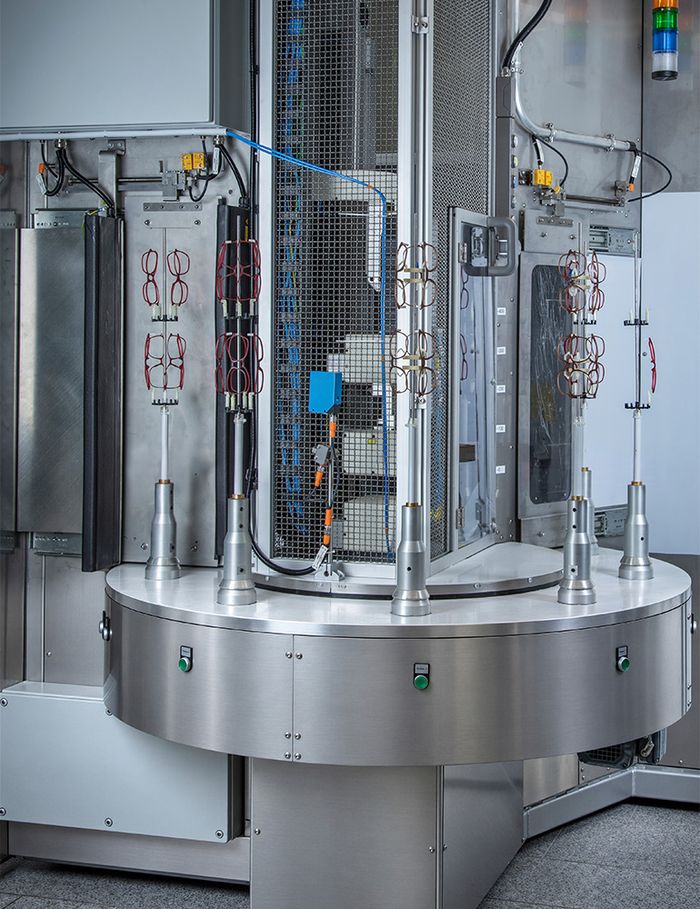
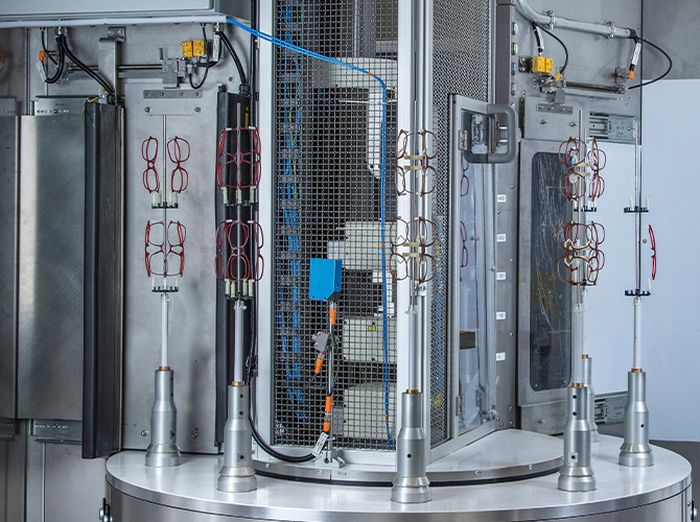
The painting department processes approximately 95 percent of all eyeglass components — whether they are Silhouette, evil eye, or NEUBAU.
You’ve been part of the Silhouette Group for over 20 years. What motivates you personally?
I’ve been with the company since September 2003 and have always been curious. I’ve simply always been interested in how to solve problems and make things better. That’s how I progressed, step by step, from painter to team leader. It motivates me when my interest and performance are recognized. I appreciate the trust placed in me and the freedom to make decisions on my own. That’s not something to be taken for granted, and it motivates me every day.