Focus on Innovation: 3D-Printed Titanium Is Shaping the Future of Eyewear
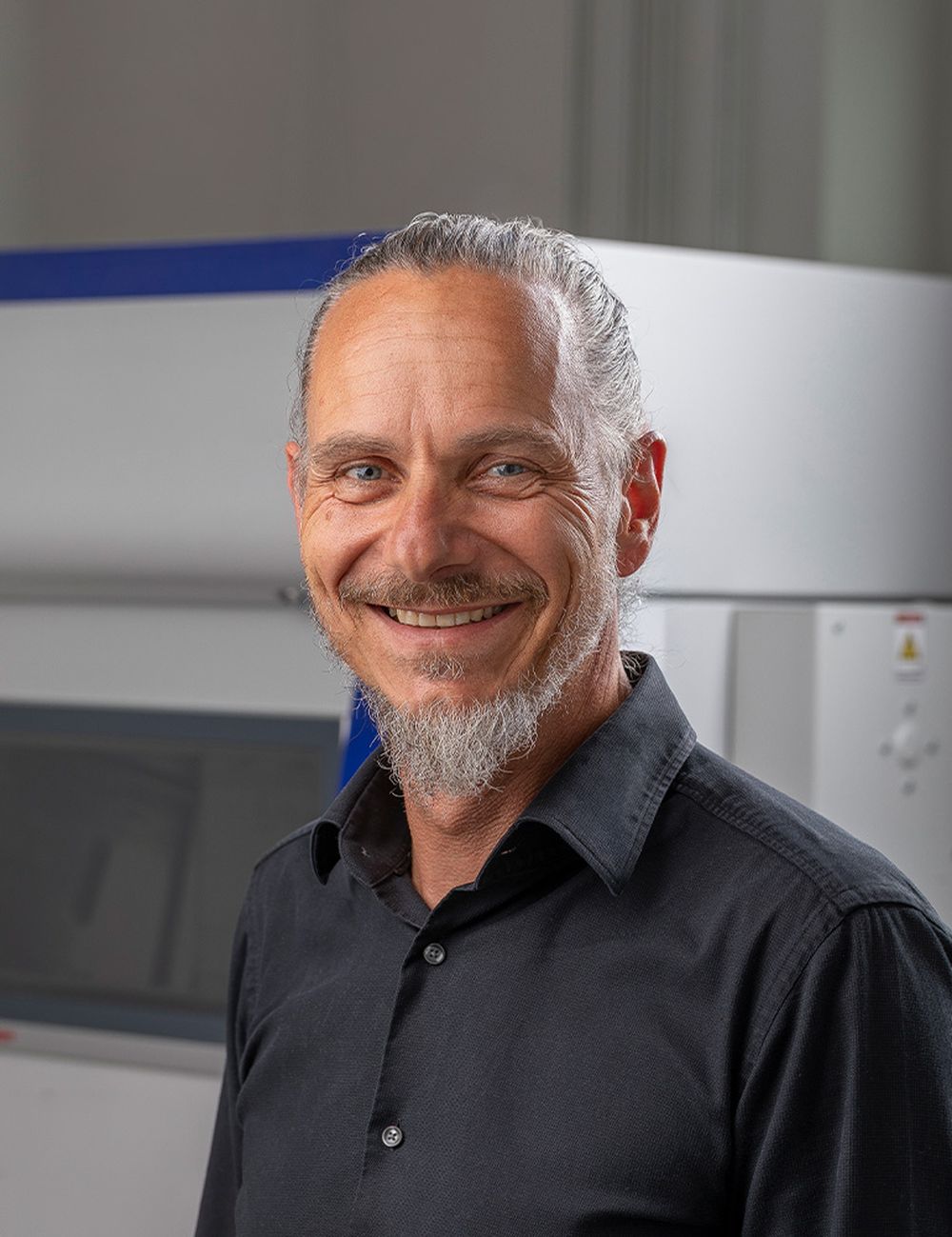
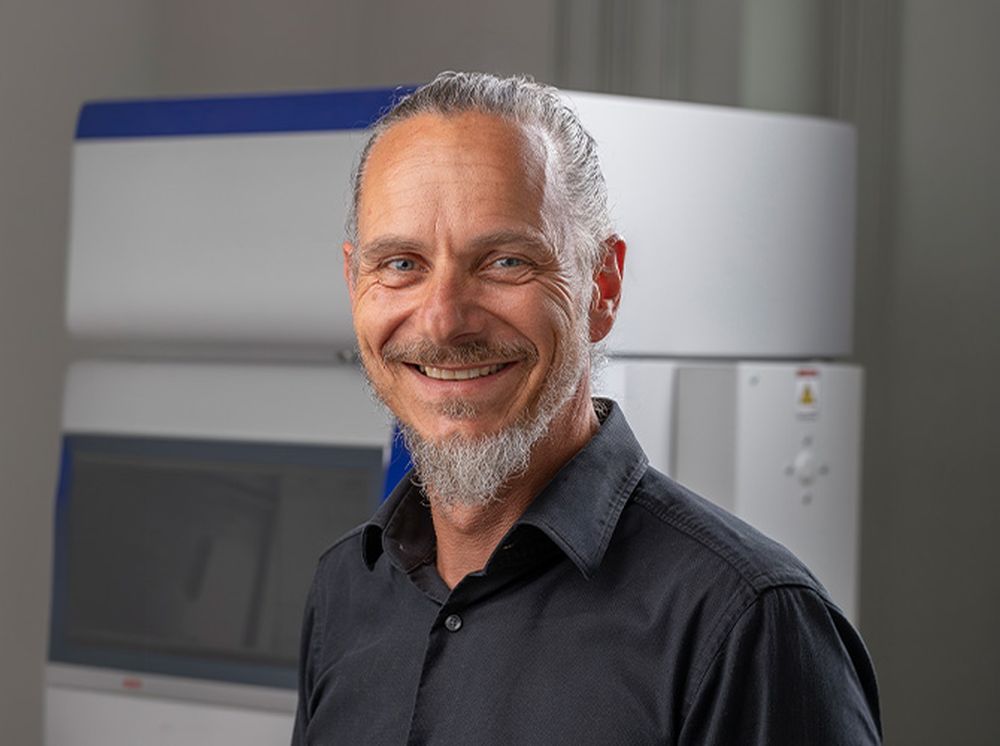
For more than five years, Hannes Pfeffer leads a specialized team at the Silhouette Group’s Competence Center for New Models, bringing new designs to production-ready stages. In his role, he embodies innovation day after day. Most recently, as project manager for the introduction of the 3D-printed titanium process, he gained deep expertise in titanium processing.
Hannes, what does your role at the company involve?
We’re the department that brings our eyewear to life. Our responsibility is to ensure the designs are ready for manufacturing. Once we receive the prototype from the design team, we evaluate how suitable the glasses are for production. Then the work begins: How should we structure our engineering drawings? What tools need to be manufactured for the model? The process of manufacturing a pair of glasses is very extensive. We ensure that the individual components of the glasses can be produced 1:1 in series. My area of expertise is metals, and we recently introduced 3D printing with titanium.
How did the introduction of 3D-printed titanium go? Tell us about it!
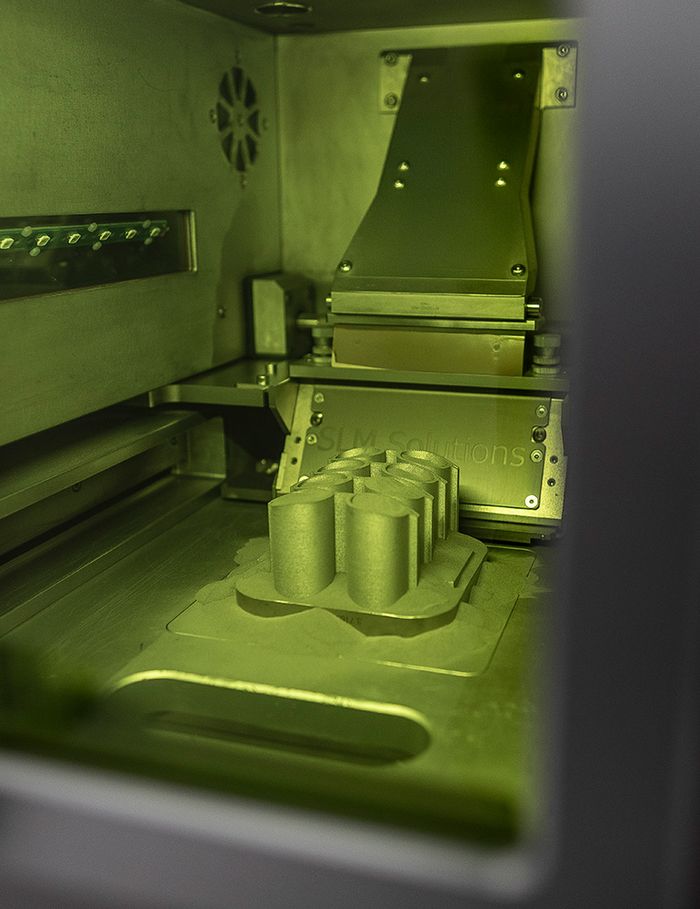
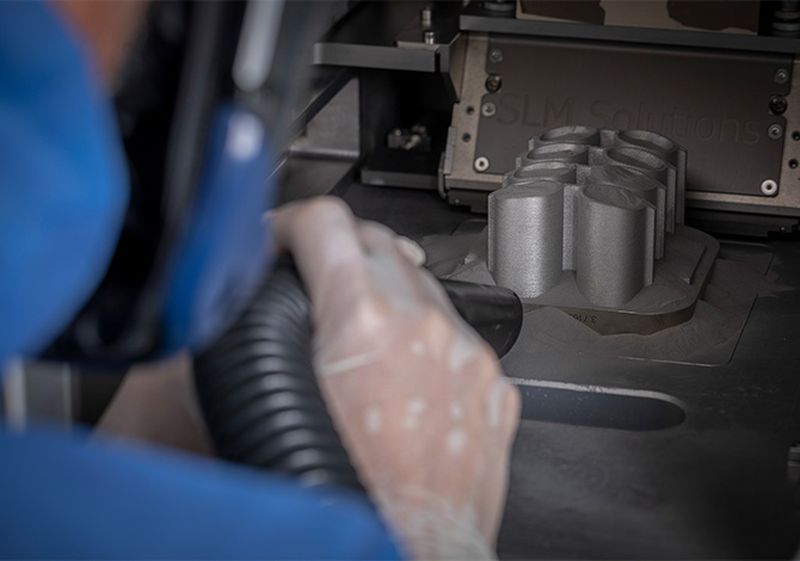
I was the project manager. Based on my previous professional experience in the Research and Development department—where I worked for 15 years—titanium and its processing are my specialty. When the new production line went into operation, we entered an intensive learning phase that initially focused not on production but on gaining a deep understanding of the technology. Currently, there are three people in the company who have mastered this highly complex technology. Processing titanium powder, which is fused using a laser, requires comprehensive safety procedures, as the raw material poses health risks if inhaled or if it comes into contact with the skin. Work is performed exclusively with breath protection and a safety suit; the room can only be entered while wearing these.
What have we learned from implementing this process?
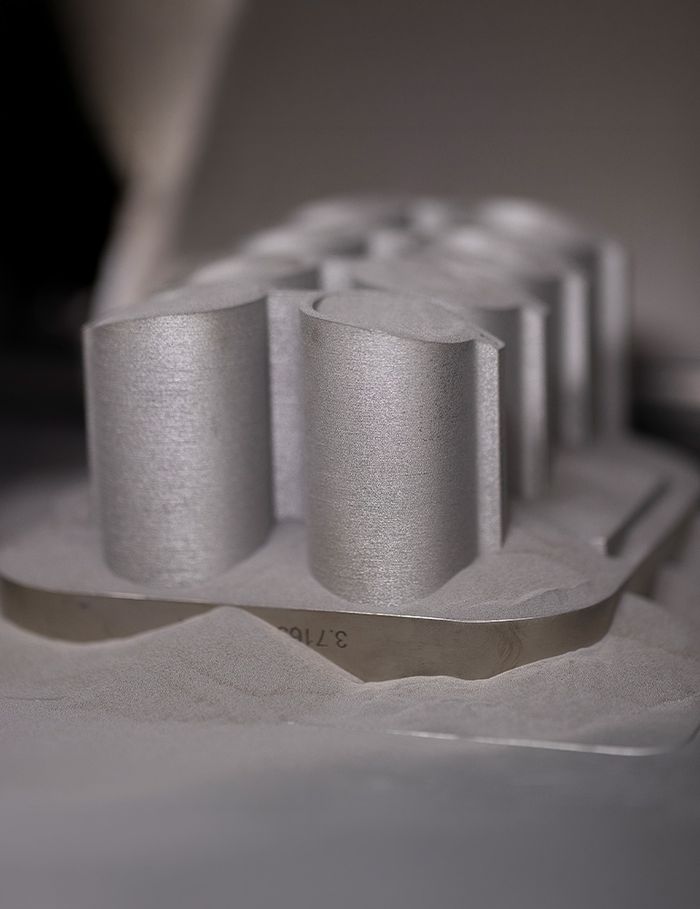
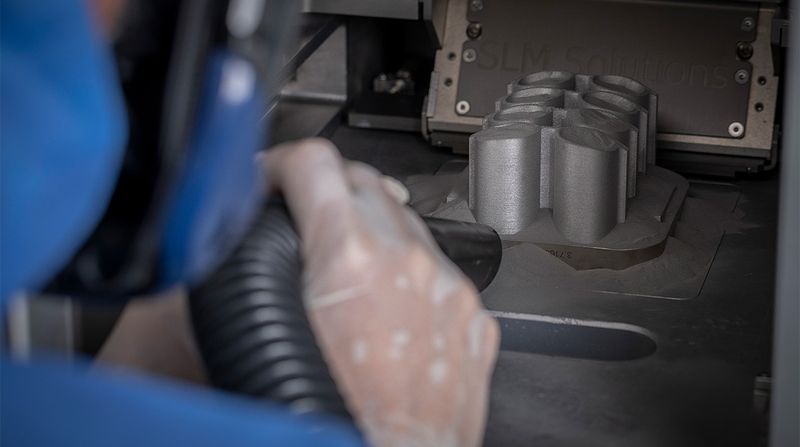
The expertise we’ve built up opens up entirely new possibilities for us in the processing and further development of titanium. What makes this process unique is the after-treatment of the printed parts—in contrast to 3D printing with plastic. The printed titanium parts are bonded to a substrate plate from which they must be detached. The after-treatment process takes just as long as the printing itself. The printing time ranges from 8 to 10 hours.
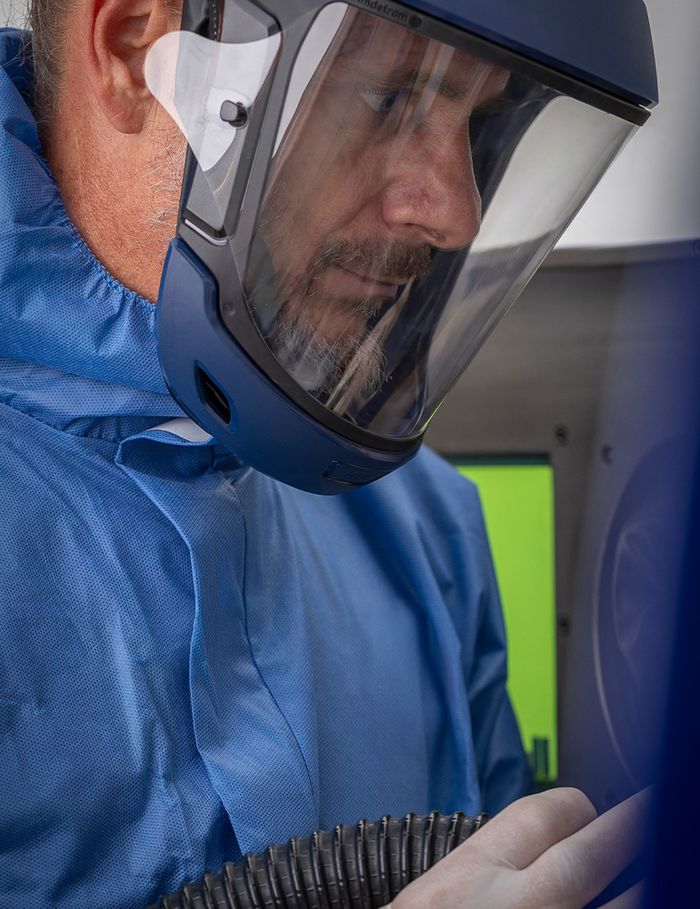
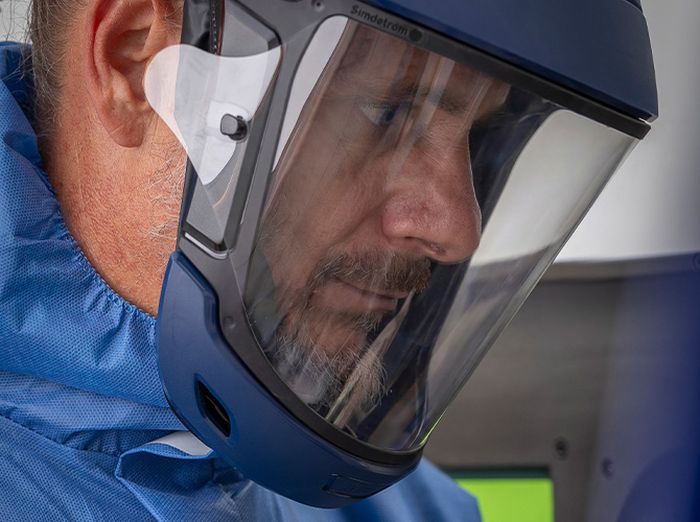
Titanium powder is fused using a laser. This work is performed exclusively while wearing a breathing apparatus and a safety suit.
In which models is 3D printing with titanium used?
Since the printing time and after-treatment are time-consuming, eyewear made from 3D-printed titanium is therefore highly exclusive. Currently, we have one model featuring this technology in Silhouette’s Atelier Next collection. This showcases our expertise. We can print 20 pairs of glasses per day, the collection is limited to 500 pieces. With the “La Futuriste” model, we’re making a clear statement about technological excellence and uncompromising design innovation.
What characterizes you personally?
My tremendous spirit of innovation. I work in a solution-oriented, highly precise manner and address every concern brought to my attention. I’m realizing more and more that this isn’t just a job for me—it’s my true passion. I have a deep love for detail, and the challenge of creating a new model inspires me. 3D-printed titanium is far more than a technological milestone. It opens up new possibilities for us in terms of precision, design, and exclusivity. With this, we’ve started something truly great.
