
Climate Management with a System
Our climate management follows a clearly defined process based on the internationally recognized standards ISO 14064-1 and ISO 14068-1. These standards provide the framework for measuring, reducing, and responsibly neutralizing greenhouse gas emissions. Compliance with both standards is independently verified each year.
Measure
We measure our greenhouse gas emissions annually in accordance with ISO 14064-1
Reduce
We implement targeted measures to achieve lasting reductions in our greenhouse gas emissions.
Neutralize
Unavoidable residual emissions are neutralized through high-quality Gold Standard climate projects
Continuous Improvement
We continuously enhance our data quality and climate management to identify additional opportunities for emissions reduction

ISO 14064-1
The international standard for greenhouse gas accounting
ISO 14064-1 defines how organizations quantify, document, and report their greenhouse gas emissions in a complete, transparent, and comparable manner.
Based on this standard, we prepare our Corporate Carbon Footprint every year. Our greenhouse gas inventory is independently verified by TÜV AUSTRIA.
Our verified greenhouse gas report is available upon request.
ISO 14068-1
The international standard for the journey to carbon neutrality
ISO 14068-1 defines how organizations can achieve carbon neutrality in a transparent and credible way. Its guiding principle is clear: emissions must first be reduced before unavoidable residual emissions are neutralized.
Accordingly, the Silhouette Group consistently implements emissions reduction measures and neutralizes only unavoidable residual emissions through high-quality Gold Standard climate projects. The offsetting of our residual emissions is independently reviewed by TÜV AUSTRIA on an annual basis.
Decarbonization

Successful emissions-reduction projects

Since 2017, all electricity purchased for our production sites has come from renewable energy sources. By partnering with regional energy providers, we contribute to the decarbonization of the electricity grid.
Highlights
• 100% renewable electricity purchased
• Transition completed in 2017
• Renewable energy mix including solar, wind, hydropower, biomass, and biogas

Our photovoltaic systems generate an increasing share of the electricity used at our production sites. This reduces our reliance on externally supplied energy while strengthening the resilience of our energy supply.
Highlights
• 1,350 kWp installed capacity
• More than 3,500 photovoltaic modules
• Approximately 1.3 million kWh of renewable electricity generated annually
• Nearly 530 t CO2e avoided each year

Employee mobility is an important part of our climate strategy. We reduce commuting-related emissions through electrification, dedicated infrastructure, and targeted mobility initiatives.
Highlights
• 61% of the company fleet in Linz consists of electric and hybrid vehicles (23 EV charging stations)
• 17 e-bike charging stations and 4 EV charging stations for private electric vehicles
• 7 years of complimentary bicycle servicing and 2 self-service repair stations
• Proud participant in the Upper Austria Cycles initiative

By using bio-circular materials, we reduce our dependence on fossil-based raw materials while continuously advancing our products toward a more resource-efficient circular economy.
Highlights
• Up to 60% lower CO2e emissions during material production compared to fossil-based plastics*
• Made from biological residual materials instead of fossil-based raw materials
• No additional agricultural land required
*Compared with the fossil-based plastic previously used. The actual CO2e reduction varies by batch of the bio-circular material and is certified by the material supplier for each production batch.
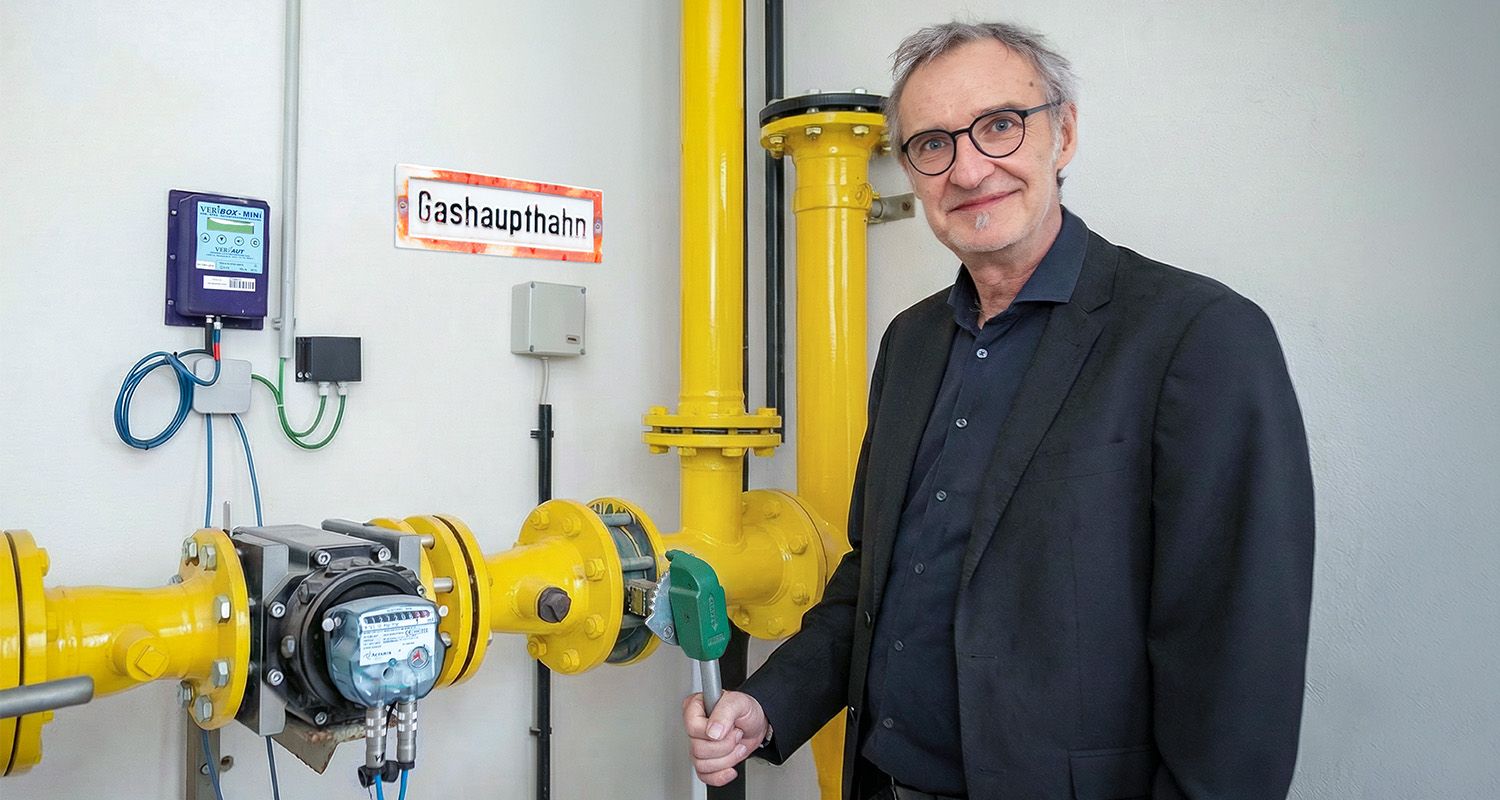
The gradual electrification of our production processes is a key element of our decarbonization roadmap. Replacing natural gas-powered systems with electric technologies significantly reduces our direct greenhouse gas emissions.
Highlights
• Linz production site natural gas-free since 2026
• Thermal afterburner fully electrified
• More than 430 MWh of natural gas saved annually
• More than 100 t CO2e avoided each year

Responsibly Managing Unavoidable Residual Emissions
Despite consistent emissions reduction efforts, not all greenhouse gas emissions can be eliminated today. In line with ISO 14068-1, we neutralize only those residual emissions that cannot currently be avoided through high-quality climate projects.
Our guiding principle is clear: Reduce first. Neutralize only unavoidable residual emissions.
In 2025, our greenhouse gas inventory totaled 2,808 metric tons of CO2e. We neutralize these remaining residual emissions through a Gold Standard-certified climate project.
Our Climate Action Project:
BITOLA SPP – Solar Energy for a Low-Carbon Future
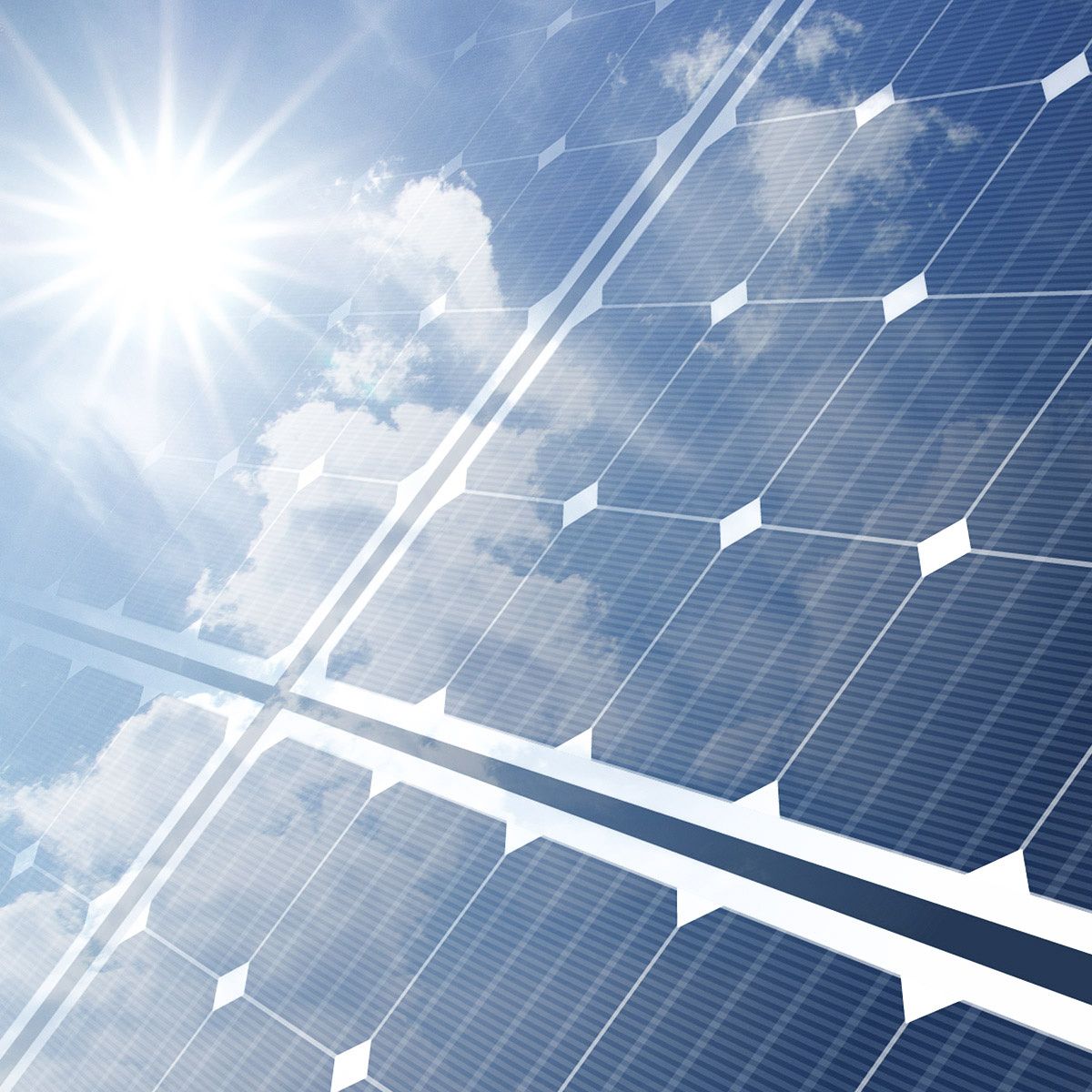
To neutralize the unavoidable residual emissions from the 2025 reporting year, the Silhouette Group supports the Gold Standard-certified BITOLA SPP solar project (Project ID: GS12276) in North Macedonia. The project generates renewable electricity from solar energy, replacing fossil-based power generation while supporting the expansion of renewable energy in the region.
Highlights
• 2,808 metric tons of CO2e neutralized for the 2025 reporting year
• Gold Standard-certified (Project ID: GS12276)
• Solar energy replacing fossil-based electricity generation
• Located in North Macedonia
The number of metric tons neutralized corresponds to the 2025 residual emissions calculated in accordance with ISO 14064-1 and required to be neutralized under ISO 14068-1.
Questions & Answers About Our Climate Management
Why can't all greenhouse gas emissions be avoided?
Even with today's technologies, not all greenhouse gas emissions can be completely eliminated. Some emissions result from manufacturing processes or cannot currently be reduced any further in a technically and economically feasible way. That is why we focus first on reducing emissions and neutralize only the remaining unavoidable residual emissions.
Why are residual emissions neutralized?
The Silhouette Group follows the principle of "Reduce Before Neutralize." This means that greenhouse gas emissions are first avoided and reduced wherever possible. Only emissions that cannot currently be reduced further through technically and economically feasible measures are neutralized through high-quality climate projects.
What is ISO 14064-1?
ISO 14064-1 is an internationally recognized standard for greenhouse gas accounting. It defines how organizations quantify, document, and report greenhouse gas emissions in a complete, transparent, and comparable way. Based on this standard, the Silhouette Group prepares its Corporate Carbon Footprint every year, which is independently verified by TÜV AUSTRIA.
What is ISO 14068-1?
ISO 14068-1 is an internationally recognized standard for the journey to carbon neutrality. It defines requirements for greenhouse gas accounting, emissions reduction, residual emissions neutralization, and transparent communication. Its guiding principle is clear: Reduce first. Neutralize only unavoidable residual emissions. The offsetting of our residual emissions is independently reviewed by TÜV AUSTRIA on an annual basis.
Why do our emissions change over time?
We continuously improve our data quality. Enhanced calculation methods, new software, and more comprehensive data collection provide an increasingly accurate picture of our greenhouse gas emissions. While we consistently reduce known emission sources, we are also expanding our view across the value chain to identify additional opportunities for emissions reduction. Greater transparency does not automatically mean higher emissions—it means gaining a better understanding of where we can further reduce our carbon footprint.
Who verifies our data?
Our Corporate Carbon Footprint is prepared annually in accordance with ISO 14064-1 and independently verified by TÜV AUSTRIA. In addition, our climate management system is regularly audited and certified in accordance with ISO 14068-1.
Which sites are included in the greenhouse gas inventory?
Most of our greenhouse gas emissions are generated by our production activities. That is why our climate management focuses on our production sites in Linz, Austria, and Trhové Sviny, Czech Republic. These sites define the scope of our climate management under ISO 14068-1 and offer the greatest potential for effective emissions reductions.